
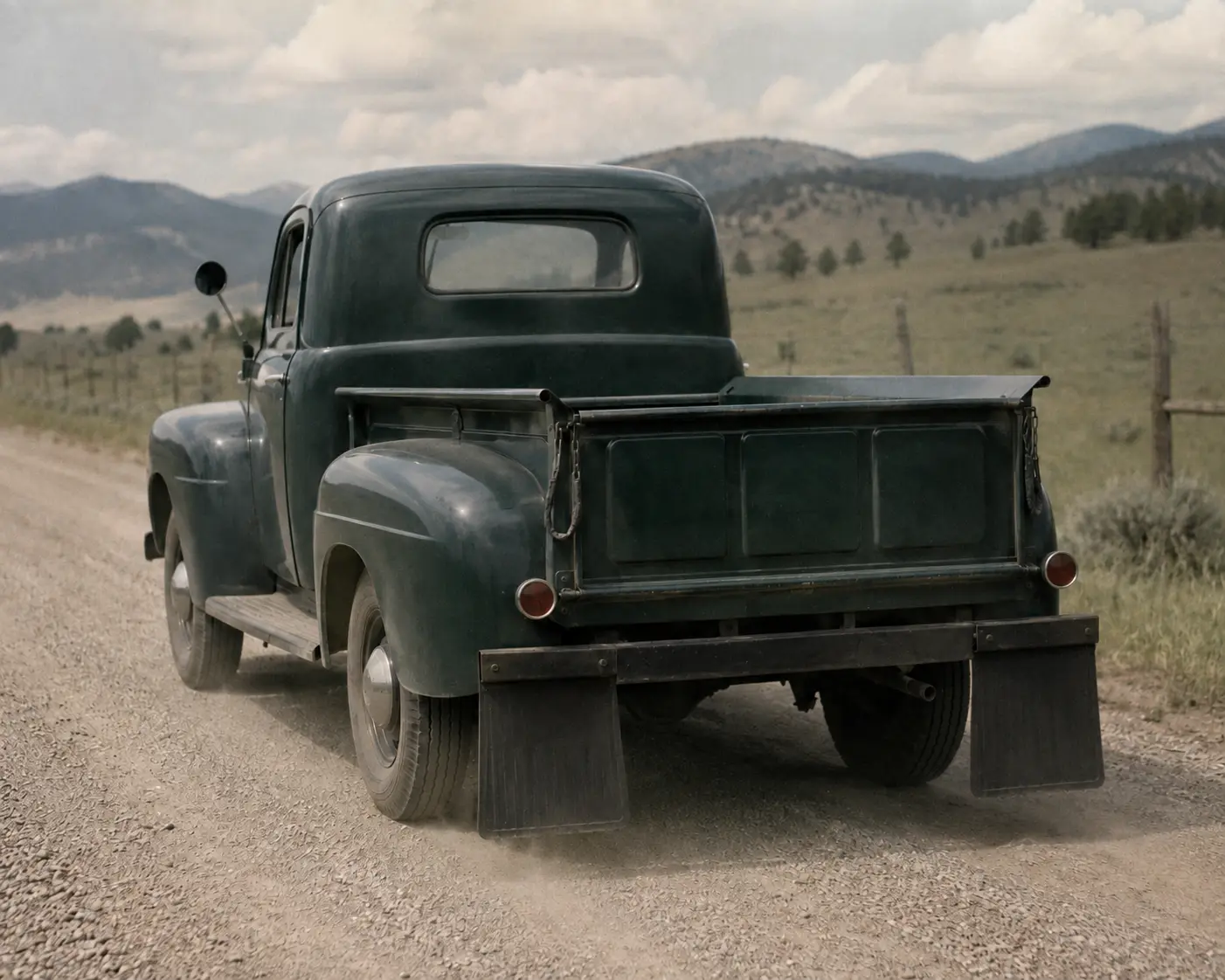
Every trucker knows the sound of gravel pinging off the road, the spray that follows a heavy rainstorm, and the mess left behind after a long haul through mud or snow. Without mud flaps, these small moments could have caused big issues.
Mud flaps may seem simple, but they solve a problem as old as motorized transportation itself: keeping road debris, water, and grit from flying off tires and into other vehicles, cargo, pedestrians, and equipment.
Today’s mud flaps are a safety measure, a compliance consideration, a protection tool, and a traveling billboard for brand-savvy companies. Their journey from improvised canvas shields to today’s heavy-duty rubber, polymer, and aerodynamic designs tells a story of practical innovation driven by the realities of the road.
Splash Guards Solve a Problem
Before paved highways became the norm, trucks and other utility vehicles traveled over dirt, gravel, and mud. Their rotating tires acted like slingshots, launching rocks, water, mud, and road grime backward and toward anything nearby. That often resulted in cracked windshields, damaged cargo, chipped paint, and visibility problems in wet conditions.
Enter Oscar Glenn March Sr., a member of the U.S. Air Force who worked around military transport operations during World War II. He noticed the main drive wheels of large vehicles kicking up debris that damaged delicate cargo and created hazards. His practical solution was to hang canvas-like material behind the wheels to catch and deflect the spray. Though he didn’t get a patent, the Oklahoma native is generally credited with the rough iteration of the mud flaps we know today in the 1940s.
The name has changed over the years. Whether called mud flaps, splash guards, mud guards, or spray suppression devices, their basic idea was all the same. Vehicles should have a flexible barrier behind the wheel, let it absorb the impact, and send debris downward instead of outward. That simple idea became one of the most recognizable safety features on trucks through today.
From Canvas to Rubber
Early mud flaps were built for function, not fashion. The first versions were often made from whatever durable material was available, including canvas, scrap belting, or heavy fabric. They worked well in some applications, but wore out quickly under constant exposure to water, stone impacts, road salt, heat, and cold.
Flexible, impact-resistant, and able to survive harsh road conditions, rubber became the go-to material for heavy trucks and trailers in the 1950s. The flexible material offered the durability needed for long mileage and demanding routes.
As manufacturing improved, mud flaps became more consistent in thickness, size, and mounting hole placement. Standard trucks sizes became more common, and fleets could replace worn flaps more easily with standardized mud flap sizes. Regulations began to appear then, too, often enforced by each individual state’s Department of Transportation.
Mud Flaps Become Part of Trucking Culture
Trucking has always had a culture of pride and brand expression. Custom paint, bold lettering, and custom equipment often say something about the driver or the company behind the wheel, and mud flaps naturally joined that tradition.
Only a few decades after their invention, plain black flaps were joined on the road by branded, decorative, and custom-printed designs. Whether they displayed company names, phone numbers, logos, or slogans, fleets could now combine protection and promotion in one hardworking product.
Modern Mud Flaps Combine Durability and Fuel Economy
Today’s mud flaps are engineered for specific uses, environments, and fleet priorities. Heavy-duty rubber remains a trusted choice because of its flexibility and abrasion resistance. Poly options offer lighter weight, clean appearance, color options, and strong resistance to cracking, curling, and weather exposure.
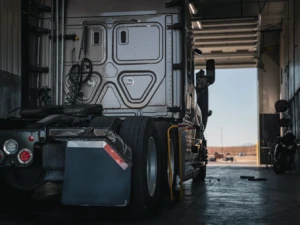
Modern designs also address problems older flaps could not. Spray-suppression textures and patterns help reduce water mist, which improves visibility for nearby drivers. Advances like slots, shapes, and airflow-friendly patterns to reduce drag while still controlling road spray.
The Future of Mud Flaps
Though no one can predict exactly how much flap technology will advance in the coming years, the biggest trend is already visible on highways today. Aerodynamic mud flaps are moving from new, specialized technology into a more common fleet upgrade.
Aerodynamic mud flaps use vents, channels, contours, or airflow-friendly patterns to reduce the drag created behind the tires. By letting air and water move through or around the flap in a more controlled way, these designs can help reduce turbulence compared with traditional solid flaps, while still directing spray and debris downward. For fleets running thousands of highway miles, even a small improvement in fuel efficiency can add up across multiple trucks.
That said, buyers should be careful with fuel-savings claims. As aerodynamic flaps become more popular, more sellers are marketing products as “fuel efficient” or “aerodynamic” without the same level of proof behind them. Before choosing a product, fleets should look for independent lab testing that shows the flap actually reduces drag or improves fuel economy. A vented shape alone does not guarantee measurable savings.
From Problem-Solving Invention to Everyday Essential
The history of mud flaps is proof that some of the best trucking innovations have come from solving everyday problems. Today, mud flaps are stronger, more specialized, and more customizable than ever. Whether your fleet hauls freight across the country, moves equipment regionally, or keeps local roads supplied, the right mud flaps help protect your investment mile after mile.
If it’s time to upgrade your fleet’s mud flaps with standard rubber or poly solutions or fully customizable, aerodynamic mud flaps, Briargate Supply has the options your company needs. Contact us today to learn more about our durable materials, dependable fit, and clean branding that works as hard as your trucks do.