
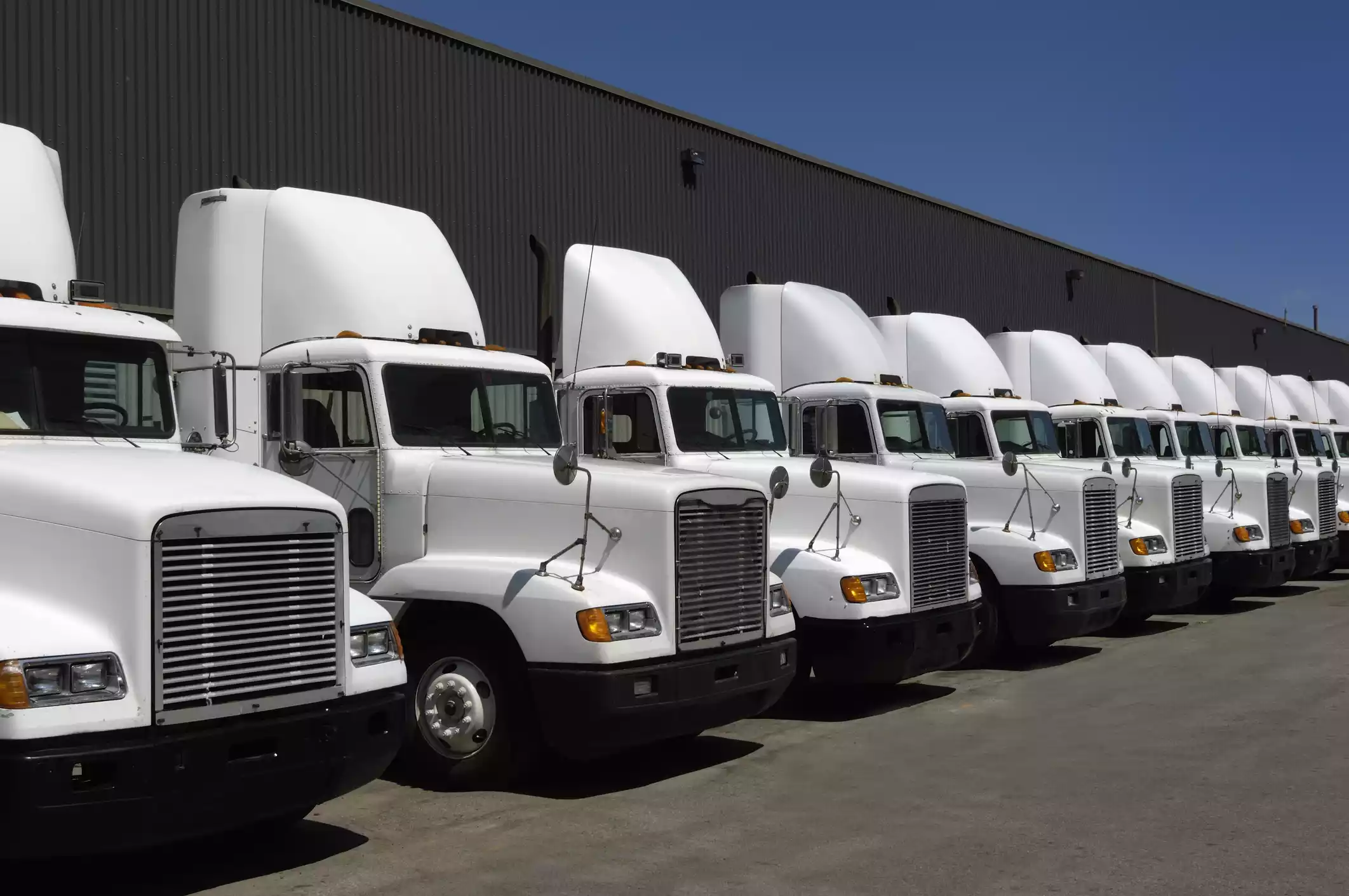
If you’re running a small fleet—fewer than 15 commercial trucks—you know how important it is to be DOT-compliant. And not just to avoid fines and have zero to low Compliance, Safety, Accountability (CSA) scores, but also because you care about the safety of your drivers and others on the nation’s highways.
While running a small fleet does offer benefits such as flexibility, lower overhead, and faster decision-making, according to 123Loadboard.com, there’s also less room for avoidable errors, especially when it comes to DOT compliance. As Azuga.com points out, “A small business’s reputation and budget are essential to success. Even a minor mistake can cost money that you don’t have or make you lose a customer you can’t afford to lose. Large businesses have more cushion for these problems, but small businesses don’t have the same luxury.”
Achieving DOT-compliance isn’t wishful thinking but should be an ongoing goal to running a small fleet.
What It Means to be DOT-Compliant
In a nutshell, DOT compliance means you adhere to the rules and regulations that apply to commercial motor vehicles and their drivers. While the Federal Department of Transportation (DOT) has several divisions, this post covers the Federal Motor Carrier Safety Administration (FMCSA) that regulates the trucking industry.
Keep in mind that each state has its own Department of Transportation, and many have specific regulations on certain items. Mud flaps are a good example, since there aren’t federal guidelines for those on trucks, buses and trailers. Instead, each state as well as the District of Columbia maintain their own location-specific requirements.
As for what puts your company in the FMCSA registration/USDOT Number category, if you transport passengers or cargo in interstate commerce, you are required by Federal Motor Carrier Safety Administration (FMCSA) to obtain a USDOT Number and comply with the Federal Regulations.
Already you can see that achieving DOT-compliance—both at a federal and state level—can be time-consuming, since it involves both researching the latest updates and verifying that your fleet and drivers are, in fact, in compliance.
How to Ensure DOT-Compliance
While large trucking concerns rely on fleet compliance software to monitor their vehicles, small operations may skip the technology and go old-school, relying on people to track compliance issues. This strategy, however, can be fraught with peril, says Trucksafe.com, since they may not have a full-time safety director who can stay abreast of changing rules, oversee maintenance issues and keep detailed records—any of which can easily lead to costly fines or penalties. (Here’s the latest 2026 Out-of-Service Criteria from CVSA.)
What happens if one of your trucks gets a poor rating in any of the FMCSA’s seven Behavior Analysis and Safety Improvement Categories (BASICs) or fails any of the applicable eight levels of inspections conducted by a CVSA-certified inspector? The result can be an undesirable percentile rating for the former or the issuance of a critical failure violation for the latter—an outcome your company can ill afford. Bottom line is that you either need to have someone who can handle DOT compliance full time or invest in software that can do it for you.
As Fleetworthy.com explains, “Compliance is not a one-time checklist but a continuous process requiring vigilance, adaptability, and informed decision-making… While the consequences of DOT violations include financial penalties and legal repercussions, compliance goes beyond avoiding these outcomes. A culture of compliance fosters safety, responsibility, and operational efficiency, benefiting not just the company but also its employees and customers.”
What Areas Fall Under DOT-Compliance
When we’re talking about DOT fleet compliance, the three main pillars are operational reporting, driver certifications and vehicle inspection, according to Epikafleet.com.
Focusing on the last, it’s been reported that poor vehicle maintenance is a leading cause of out-of-service orders. These can range from worn tires and malfunctioning brakes to broken lights and, in states with DOT regulations for mud flaps, missing or damaged splash guards.
Inadequate or incorrect cargo securement items—ratchet straps, winch straps or other tie downs—or improper use of them can also result in fines or penalties.
To ensure that your fleet remains DOT-compliant, it’s essential to adhere to a maintenance schedule and have comprehensive documentation—both for safety reasons and to meet Federal Motor Carrier Safety Regulations (FMCSRs) requirements.
Missing or damaged mud flaps, reflective tape or cargo securement items? Contact Briargate Supply! We can help remedy the issue before it results in a fine or penalty. We are an industry leader in premium DOT approved reflective tape, a trusted manufacturer of heavy-duty truck mud flaps and provider of dependable, high-performance cargo control products.