
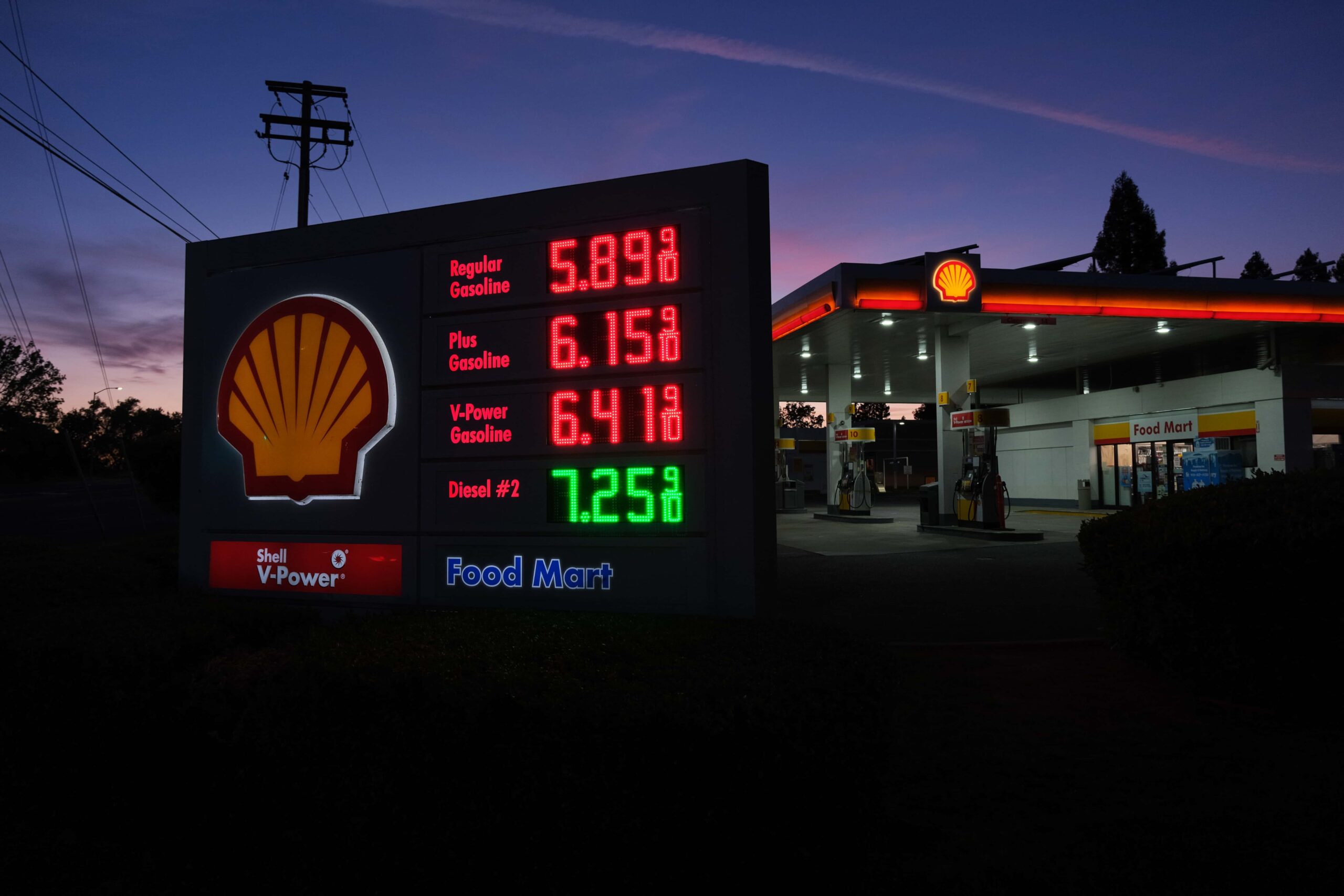
With diesel prices rising under pressure from war in Iran and instability in Middle East energy markets, trucking companies are looking for practical solutions to protect margins without sacrificing service. One of the simplest ways to fight rising fuel costs is to improve aerodynamic efficiency, getting more mileage per gallon.
Though it may seem like a relatively small upgrade, switching from conventional splash guards to aerodynamic mud flaps can help reduce drag, improve fuel economy, and deliver savings mile after mile.
How Aerodynamics Improve Fuel Economy
Traditional mud flaps can create turbulence behind the wheels and trailer, which adds to aerodynamic drag at highway speeds. On the other hand, aerodynamic mud flaps are designed with vented or channeled surfaces that allow air and water to pass through in a more controlled way. By reducing the amount of turbulent air created on the truck and trailer, these fuel-efficient mud flaps can improve airflow, cut drag, and help the truck use less fuel over long distances.
Industry reporting on aerodynamic mud flap testing has shown fuel economy improvements by 1.5% when replacing standard mud flaps, which is essential with the average cost of diesel fuel in early 2026 sitting at about $5.50 per gallon.
What 1.5% Means in Dollars
Standard long-haul semi-trucks and trailers can travel more than 100,000 miles each year, getting an average of 5.8 MPG. Nearly 20,000 gallons of fuel per year adds up quickly, totaling more than $100,000 spent annually on fuel alone.
Saving more than $1,500 per year for just one truck makes the improvement a no brainer, as the mud flaps will quickly recoup purchase cost and add some extra savings on top. Across the fleet, that impact scales quickly, making aerodynamic mud flaps an appealing low-cost upgrade when fuel markets are unstable.
Additional Advantages
Aerodynamic mud flaps come with several positive benefits over traditional solid flaps. Vents and louvered patterns direct water downward, reducing road spray that obscures the vision of following drivers by 70%. This improves visibility and increases safety for everyone on the road.
Allowing wind and water to pass through also improves durability, as these mud flaps pull back less at high speeds. This reduces the likelihood that they’ll be torn off or damaged on the highway or when backing in. Plus, Briargate’s aerodynamic mud flaps come with a two-year warranty, protecting your purchase for years to come.
The reduction in road spray reduces maintenance, too. The truck’s undercarriage and rear components stay cleaner, leading to lower upkeep costs and less corrosion on exposed metal.
Practical Considerations Before Upgrading
Looking at the potential benefits may inspire you to jumpstart upgrades, but there are a few things you should consider before making a fleetwide change:
- Choose flaps that are designed specifically for aerodynamic performance, not just splash protection.
- Confirm the chosen mud flaps fit your tractor and trailer configurations, as they need to be installed on both to achieve fuel savings.
- Ask your vendor to provide third-party lab testing reports that prove aerodynamic savings. Some mesh flaps are labeled “aerodynamic” without demonstrating proven results.
- Evaluate durability, mounting hardware and maintenance requirements on one or a few trucks before updating the whole fleet.
- Track fuel performance before and after installation to verify return on investment with real operating data.
A Reliable Solution in Uncertain Times
Trucking companies may not be able to control geopolitical events or diesel market volatility, but they can control how efficiently their equipment moves down the road. Even as refueling costs increase, aerodynamic mud flaps offer a practical way to bring operating costs back down. This is especially true for fleets that accumulate heavy mileage across multiple trucks and trailers.
Briargate Supply offers both standard and custom aerodynamic mud flaps that reduce drag, improve air flow, and increase fuel efficiency. Contact us today to select the right materials and sizing for your fleet.